




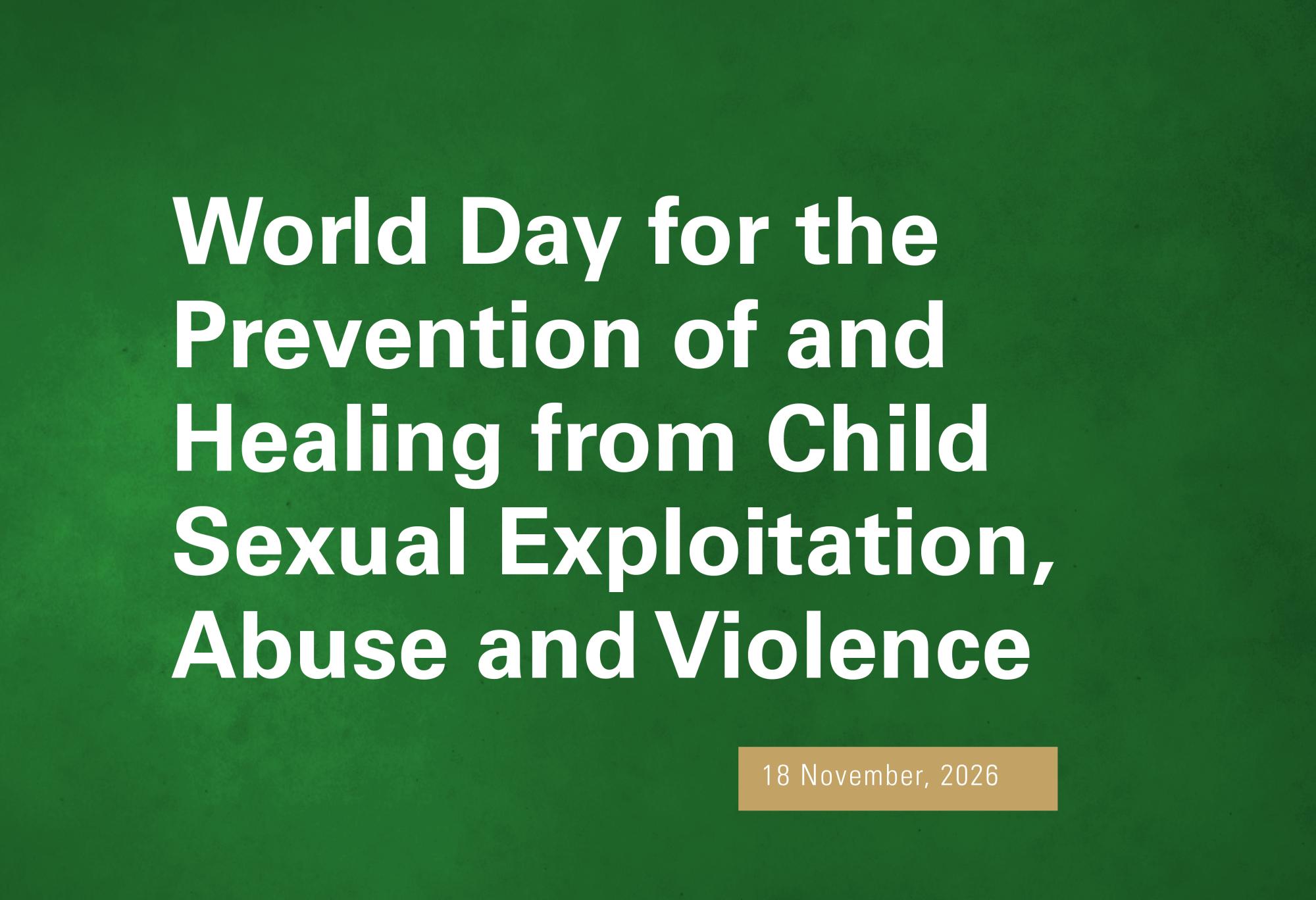
Statement by Hon. Satang Nabaneh, Special Rapporteur on Violence Against Children, African Committee of Experts on the Rights and Welfare of the Child (ACERWC) on World Day for the Prevention of and Healing from Child Sexual Exploitation, Abuse and Violence, 18 November 2026
Today, 18 November, marks the World Day for the Prevention of and Healing from Child Sexual Exploitation, Abuse and Violence, established by the UN General Assembly established in 2022. On behalf of the African Committee of Experts on the Rights and Welfare of the Child (ACERWC), I join the international Community to amplify the message that every child who has survived sexual violence deserves safety, justice and healing.
This commemoration is particularly timely as global leaders convene today for the Second Global Ministerial Conference on Ending Violence Against Children in Manila. It is an urgent moment to ensure that the political commitments and pledges made on the global stage translate into concrete protection for children across Africa.
Sexual exploitation, abuse and violence against children take many forms across our continent. As General Comment No. 7 on Article 27 of the African Charter on the Rights and Welfare of the Child on Sexual Exploitation recognises, the greatest threat for most children comes from people they know and meet daily, such as family members, teachers and others in positions of trust. Sexual exploitation includes sexual abuse, in kind exploitation where sex is exchanged for goods, child marriage, grooming both in person and online, child sexual abuse material, sexual violence in conflict such as using sexual violence as weapons, abduction, sexual tourism, among others. Girls are most affected with UNICEF data showing that one in five girls in Africa experience sexual violence. However, boys are also victims, and their needs are often overlooked. Most of this harm stays hidden due to stigma, fear, culture of silence, and weak reporting mechanism.
The harm is profound and can last a lifetime. Children suffer physical injuries, sexually transmitted infections including HIV, and unintended pregnancy, which frequently force an abrupt end to their education. They suffer fear, shame, self-blame, depression, anxiety and trauma. Grooming manipulates children into believing that they are responsible, which delays disclosure for years. Too often the justice process compounds this trauma through repeated interviews, delays and disbelief, while widespread impunity leaves children live in constant fear.
Africa has established clear legal standards to prevent and redress sexual exploitation which amounts to torture or cruel, inhuman or degrading treatment. Article 27 of the African Children’s Charter requires States Parties to protect the child from all forms of sexual exploitation and sexual abuse, and specifically preventing the inducement, coercion or encouragement of a child to engage in any sexual activity; the use of children in prostitution or other sexual practices; and the use of children in pornographic activities, performances and materials. Article 16 on protection from abuse and torture, including sexual abuse, and procedures for identification, reporting, referral, investigation, treatment and follow-up; Article 21 on harmful practices, and the minimum age of marriage of 18; and Article 29 on sale, trafficking and abduction also provide safeguards from sexual exploitation of children.
Our Committee has elaborated these standards through General Comment No. 7 on Article 27 on Sexual Exploitation, alongside our Joint General Comments on Ending Child Marriage and Ending Female Genital Mutilation (FGM) which provide guidance on measures to be undertaken to prevent and redress sexual violence. Moreover, the African Union’s Child Online Safety and Empowerment Policy, Convention on Cyber Security and Personal Data Protection (Malabo Convention), Model Law on Child Online Safety and the Common African Position on Ending Violence Against Children (CAP-EVAC) adopted by AU Ministers this year provide safeguards for children from sexual exploitation online and offline.
States have a duty of due diligence to prevent, investigate, prosecute, punish and provide redress and these obligations are of immediate fulfilment, not subject to progressive realisation or resource availability. Moreover, the “do no harm” principle is at the center of these obligations. Remedies must include reparation, with rehabilitation and guarantees of non-repetition.
On this occasion, I would like to emphasize on key actions to be undertaken by Member States to ensure protection and healing of our children from sexual exploitation:
Enact strong laws and address root causes: Criminalise all online and offline sexual exploitation, hold tech and private-sector actors accountable, ensure victims are never criminalized, and invest in birth registration, safe schools, digital literacy, and family support.
Promote child safety education: Integrate online and offline safety awareness into school curricula and community programs.
Ensure safe, accessible reporting: Provide 24/7, toll-free, local-language helplines reaching rural areas, require internet providers to report abuse, and ensure reporting rules never block adolescents from healthcare.
Deliver child-friendly justice: Train specialised justice officials, use recorded testimony to avoid repeated interviews, remove barriers like mandatory medical certificates, ban out-of-court “family compromises,” and enforce strong cross-border penalties.
Provide unconditional support for survivor healing: Guarantee medical care, Post-Exposure Prophylaxis (PEP) within 72 hours and other sexual and reproductive health services, psychosocial and legal support, safe shelter, and school reintegration among others, prioritising children with disabilities, children on the move, and rural communities.
Prevention is our responsibility, and healing is every child’s right. As we mark this day alongside global deliberations in Manila, let us turn our commitments into decisive action and ensure that no child is left to suffer in silence.